A coworker showed me her skin one afternoon and I genuinely thought she was wearing foundation. She was not. She just said one word. Korean skincare. I went home that night and fell into a three hour rabbit hole of Reddit threads and Youtube videos trying to figure out what she actually used.
I ended up buying way too much way too fast. Seven products in one order because every article online said I needed the full ten step routine or none of it would work. That was not true and I learned that the expensive way.
It took a few months of testing returning and actually paying attention to my own skin before I figured out which Korean products were worth keeping and which ones were just hype. This is not a copied list from some beauty site. This is what worked after actually living with the routine every single day.
Why Korean Skincare Got So Popular In The First Place
Korean skincare focuses heavily on hydration and prevention rather than just treating problems after they show up. A lot of Western skincare culture jumps straight to harsh actives the moment something goes wrong. Korean routines tend to build a stronger skin barrier first so your skin can handle stronger ingredients later without freaking out.
I did not understand this difference at first. I assumed more steps automatically meant better results. That assumption cost me both money and a few weeks of confused irritated skin before I slowed down and actually learned what each step was doing.
What I Learned Actually Matters
After testing more products than I want to admit here is what genuinely made a difference.
Double cleansing changed my skin more than anything else. An oil cleanser followed by a water based cleanser removes sunscreen and makeup far better than a single cleanser ever did for me. My skin stopped feeling like it had a film on it by the end of the day.
Essence is not the same as toner and that confused me for a long time. Essences are lighter and meant to add a hydration layer before serums. I skipped this step for months thinking it was just a marketing gimmick. Adding it back in noticeably improved how well my other products absorbed afterward.
Sheet masks work best as an occasional boost not a daily habit. I used to think using a sheet mask every single day would speed up results. My skin actually got a bit irritated from overloading it with that many active ingredients that often. Two to three times a week worked much better for me.
Snail mucin sounds strange but it genuinely helped my texture. I was skeptical the first time I saw this ingredient on a label. After using it consistently for about six weeks my skin texture felt noticeably smoother and small scars faded faster than usual.
Sunscreen matters more in Korean skincare culture than almost anywhere else. Korean sunscreens tend to feel lighter and absorb faster than a lot of Western options. This alone made me actually want to wear sunscreen daily instead of skipping it out of laziness.
Products That Actually Earned A Permanent Spot In My Routine
Skin reacts differently for everyone so treat this as a starting point rather than a guarantee.
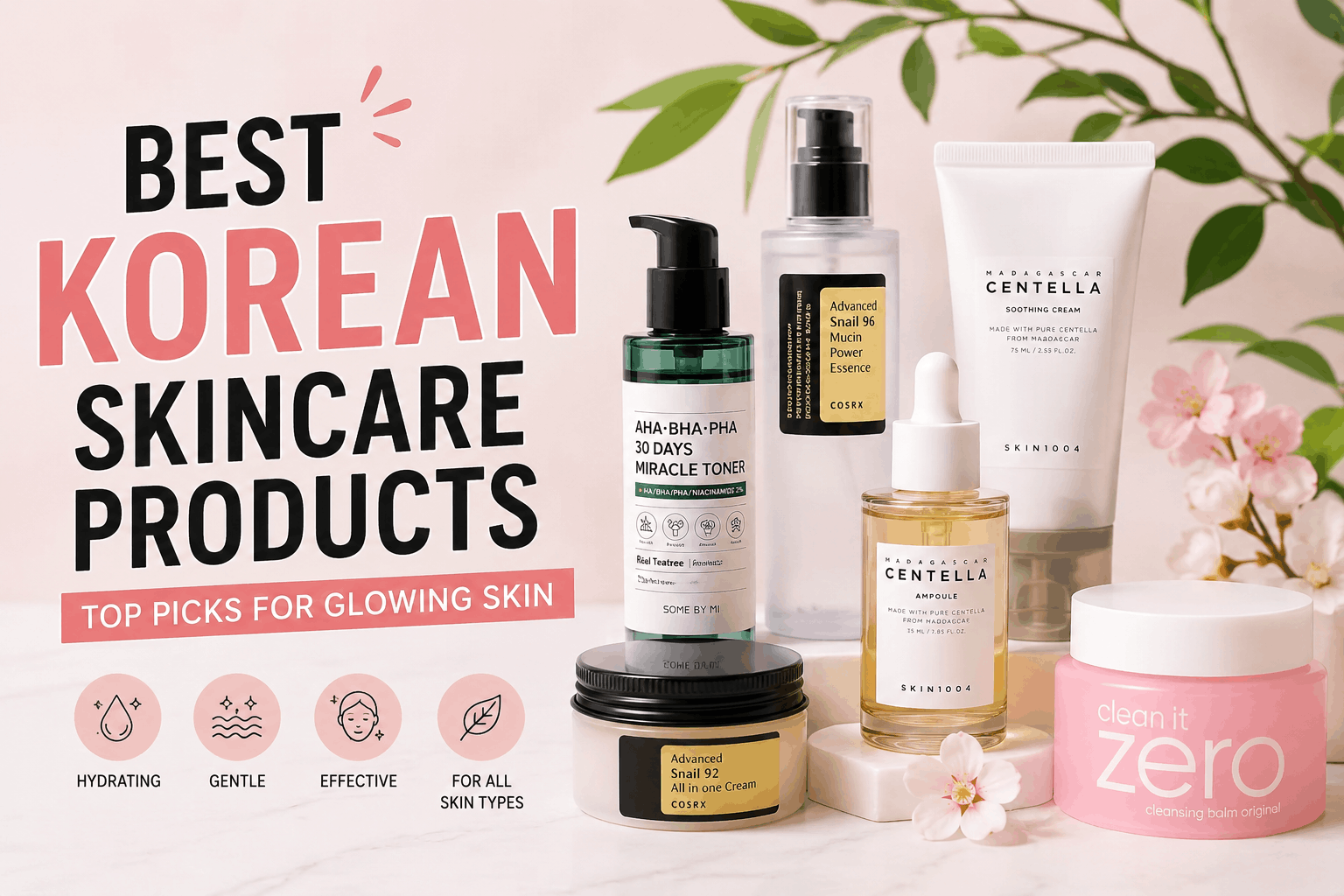
Banila Co Clean It Zero Cleansing Balm. This became my nightly first cleanse. It melts off sunscreen and makeup without leaving any greasy residue behind.
COSRX Advanced Snail 96 Mucin Power Essence. The texture feels a bit sticky at first but it absorbs fully within a minute or two. This is the product that convinced me Korean skincare was not just hype.
Beauty of Joseon Relief Sun Rice And Probiotic SPF 50. Lightweight sunscreen that does not leave a white cast. This replaced three other sunscreens I had tried before it.
Klairs Supple Preparation Facial Toner. Gentle enough for daily use and it actually calmed redness rather than causing it. A good pick for anyone easing into Korean skincare for the first time.
Some By Mi AHA BHA PHA 30 Days Miracle Toner. Stronger option once your skin is used to actives. I only use this a few nights a week since daily use was too much for my skin barrier.
None of these are paid mentions. These are simply what stayed in my routine after months of testing and returning things that did not work.
My Step By Step Routine That Actually Made Sense
Step one. Start with an oil based cleanser at night. This removes sunscreen and makeup without stripping your skin. Morning cleansing does not need this step for most people.
Step two. Follow with a gentle water based cleanser. This finishes removing any leftover residue and sweat from the day. Together these two steps are what people mean by double cleansing.
Step three. Apply toner while your skin is still slightly damp. This helps lock in moisture before the next steps. I used to apply toner to fully dry skin and noticed way less benefit from it.
Step four. Layer in an essence before your serum. This step felt unnecessary to me at first. Skipping it made my serums feel like they were sitting on top of my skin instead of absorbing properly.
Step five. Apply serum based on your main skin concern. Vitamin C in the morning for brightness. Something hydrating or repairing at night depending on what your skin needs that day.
Step six. Moisturize even if your skin feels oily. Skipping moisturizer to control oil actually backfired for me and caused more oil production as my skin tried to compensate.
Step seven. Never skip sunscreen in the morning. This is the step that ties everything together and protects all the work from the previous steps.
Real Scenarios Where This Actually Mattered
I remember introducing three new active ingredients into my routine in the same week because I was excited after a big shopping haul. My skin broke out within days and I could not tell which product caused it. I had to strip everything back to basics for two weeks before slowly reintroducing one product at a time to figure out the actual culprit.
Another time I traveled somewhere with much drier air than I was used to and my usual lightweight moisturizer was not enough. Switching temporarily to a slightly richer Korean moisturizer for that week saved my skin from getting flaky and uncomfortable during the trip.
Common Mistakes To Avoid
Buying the full ten step routine before understanding your own skin. I did this and wasted a lot of money on products that either duplicated each other or did not suit my skin type at all.
Introducing too many new products at once. This makes it nearly impossible to know what is actually working or what is causing irritation if something goes wrong.
Assuming every trending product will work for your skin type. Just because something goes viral does not mean it fits your specific skin concerns. I learned to research ingredients rather than chasing whatever was trending that month.
Skipping patch testing new products. I got a little too excited a few times and applied new serums straight to my whole face. A couple of those ended up causing small breakouts that a patch test would have warned me about first.
A Few Extra Things Worth Knowing
You do not need all ten steps every single day. Even Korean skincare experts often simplify their routine on busy days down to cleanser moisturizer and sunscreen. Consistency with the basics matters more than doing every single step perfectly.
Ingredient lists matter more than country of origin. Not every product labeled Korean skincare is automatically going to work for you. Reading the actual ingredient list and understanding what your skin needs will save you far more money than following trends blindly.
Patience really does pay off here. Most of the noticeable changes in my skin took around six to eight weeks of consistent use rather than the overnight results some ads seem to promise.
Final Thoughts
Korean skincare is not some magic formula that instantly transforms skin overnight. It is a mindset built around patience hydration and prevention rather than quick fixes.
My skin went from dull and reactive to noticeably calmer and more even over several months of consistent use. If you are just starting out do not feel pressured to buy everything at once. Start small figure out what your skin actually responds to and build from there. The results are worth the patience once you find what genuinely works for you.
FAQs
What are the best Korean skincare products for beginners? A gentle cleanser a hydrating toner a lightweight moisturizer and a good sunscreen are the best starting point. Banila Co Clean It Zero Klairs Supple Preparation Toner and Beauty of Joseon sunscreen are solid beginner friendly options.
Do I really need to follow all ten steps of Korean skincare? No. Even people within Korean skincare culture often simplify their routine on busy days. The core steps that matter most are cleansing moisturizing and sunscreen.
What makes Korean skincare different from other skincare routines? Korean skincare tends to focus on building a strong skin barrier and preventing damage rather than only treating problems after they appear. It also emphasizes hydration through multiple lightweight layers instead of one heavy product.
Is snail mucin actually effective in skincare? Yes for many people. It has properties that support hydration and skin repair. Results vary by person but many users including myself noticed smoother texture after a few weeks of consistent use.
How long does it take to see results from Korean skincare products? Most people notice initial improvements around four weeks with more significant changes appearing around six to eight weeks of consistent daily use.
Can Korean skincare products cause breakouts? Yes if too many new products are introduced at once or if a product does not suit your specific skin type. Patch testing and introducing new products one at a time helps avoid this problem.